

 محصولات تصویربرداری پزشکی
 بیهوشی و مراقبتهای ویژه
 محصولات قلبیعروقی و محیطی


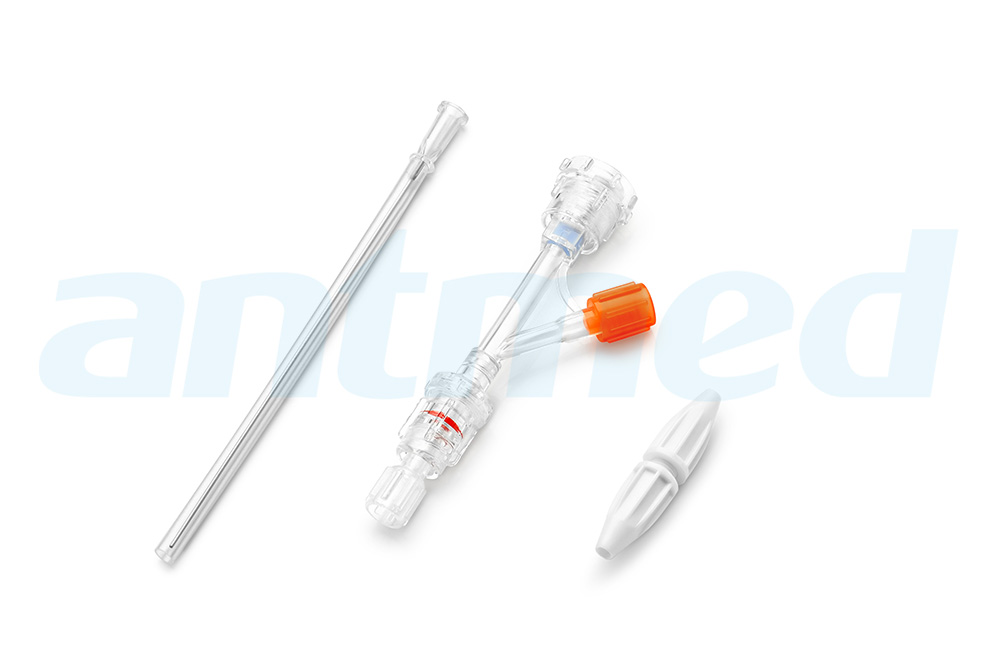
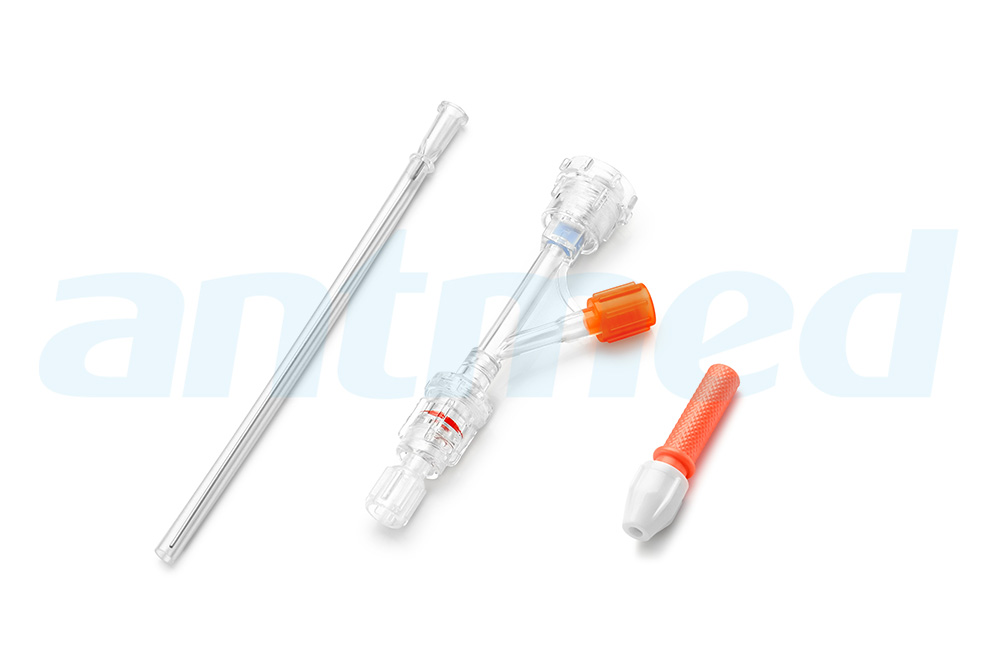
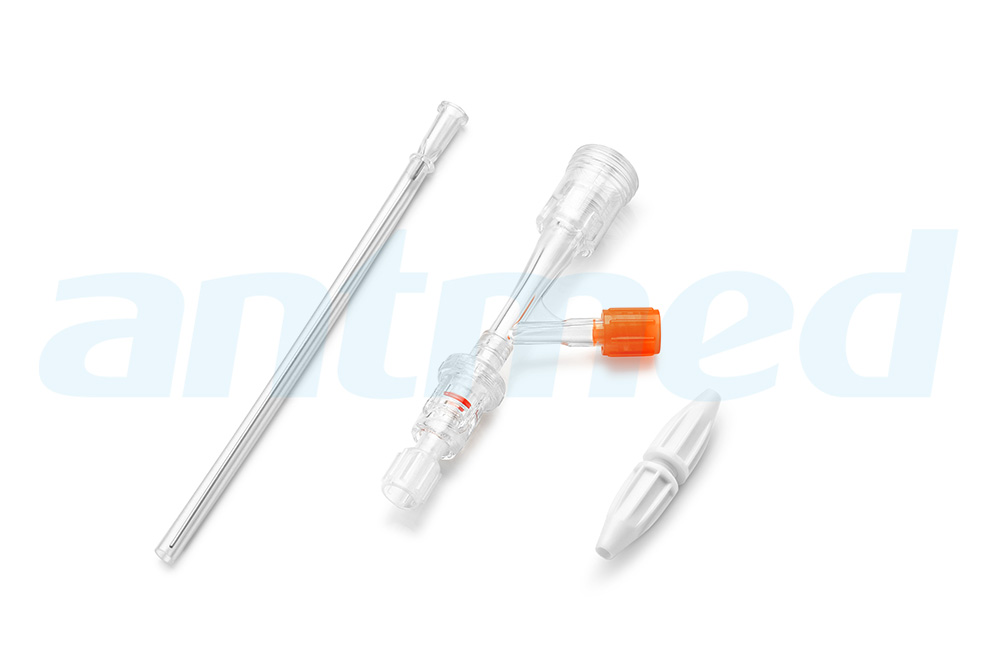
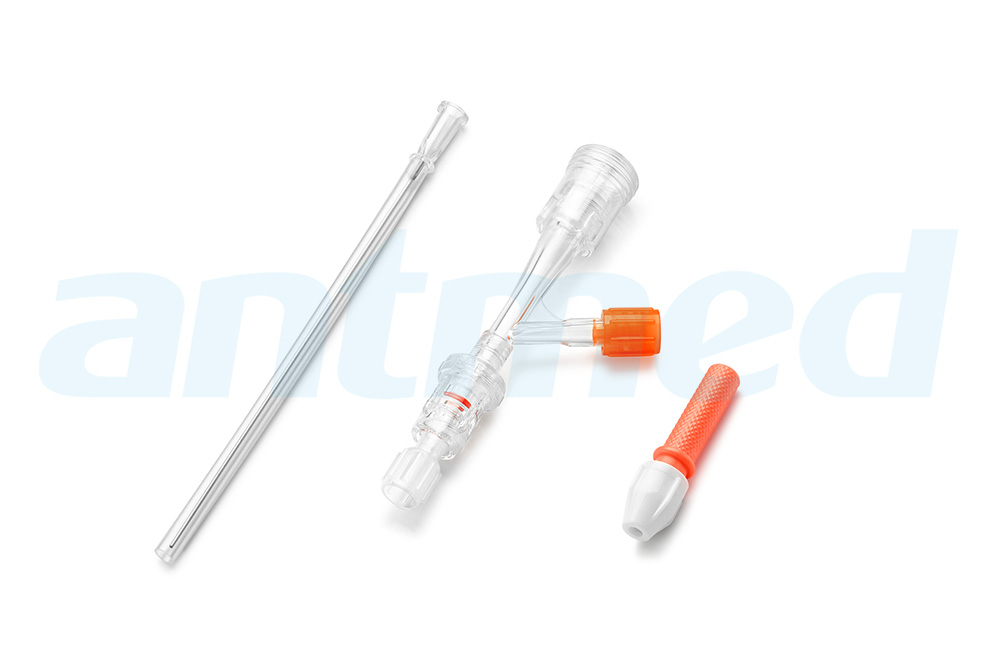
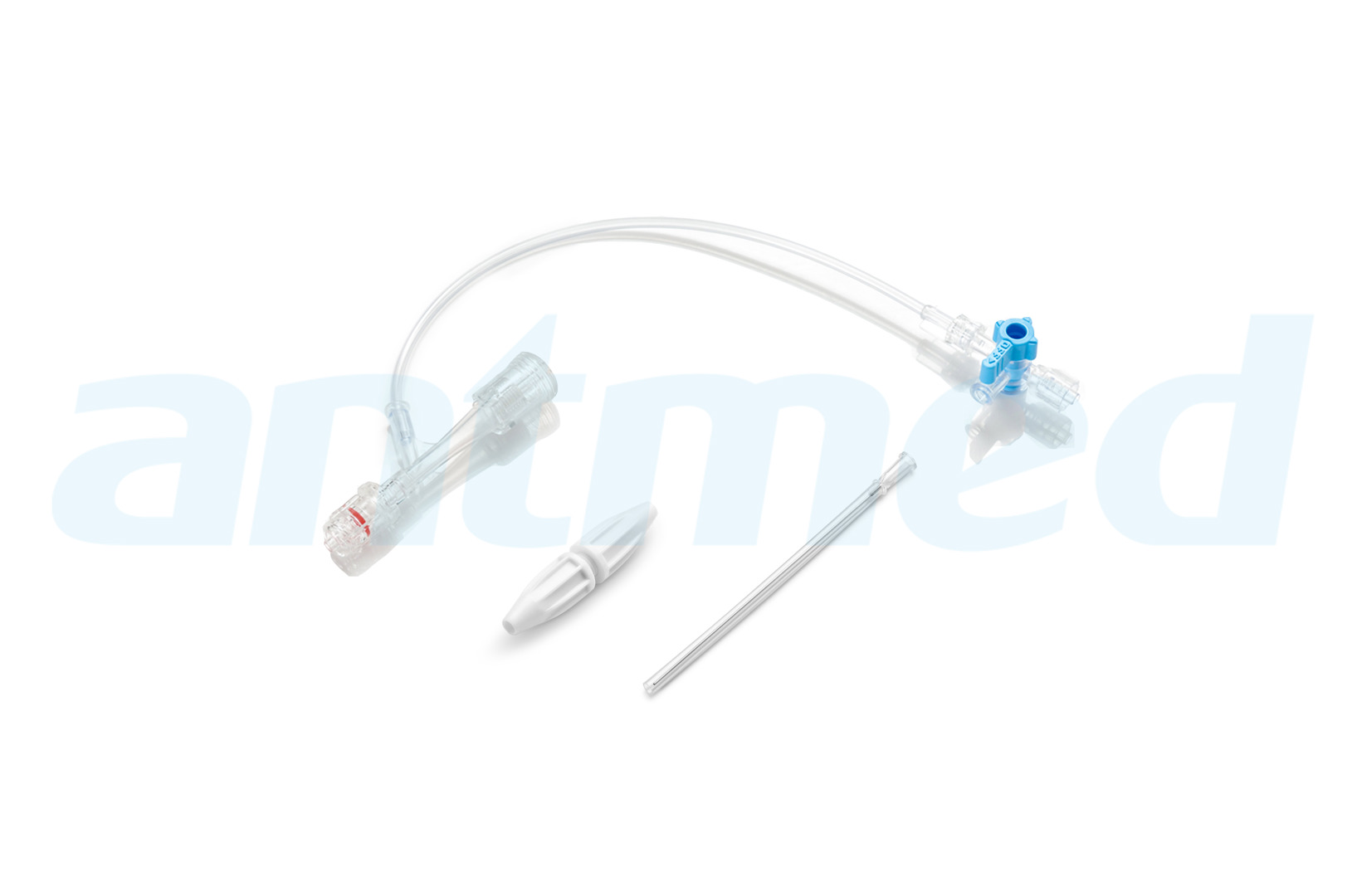
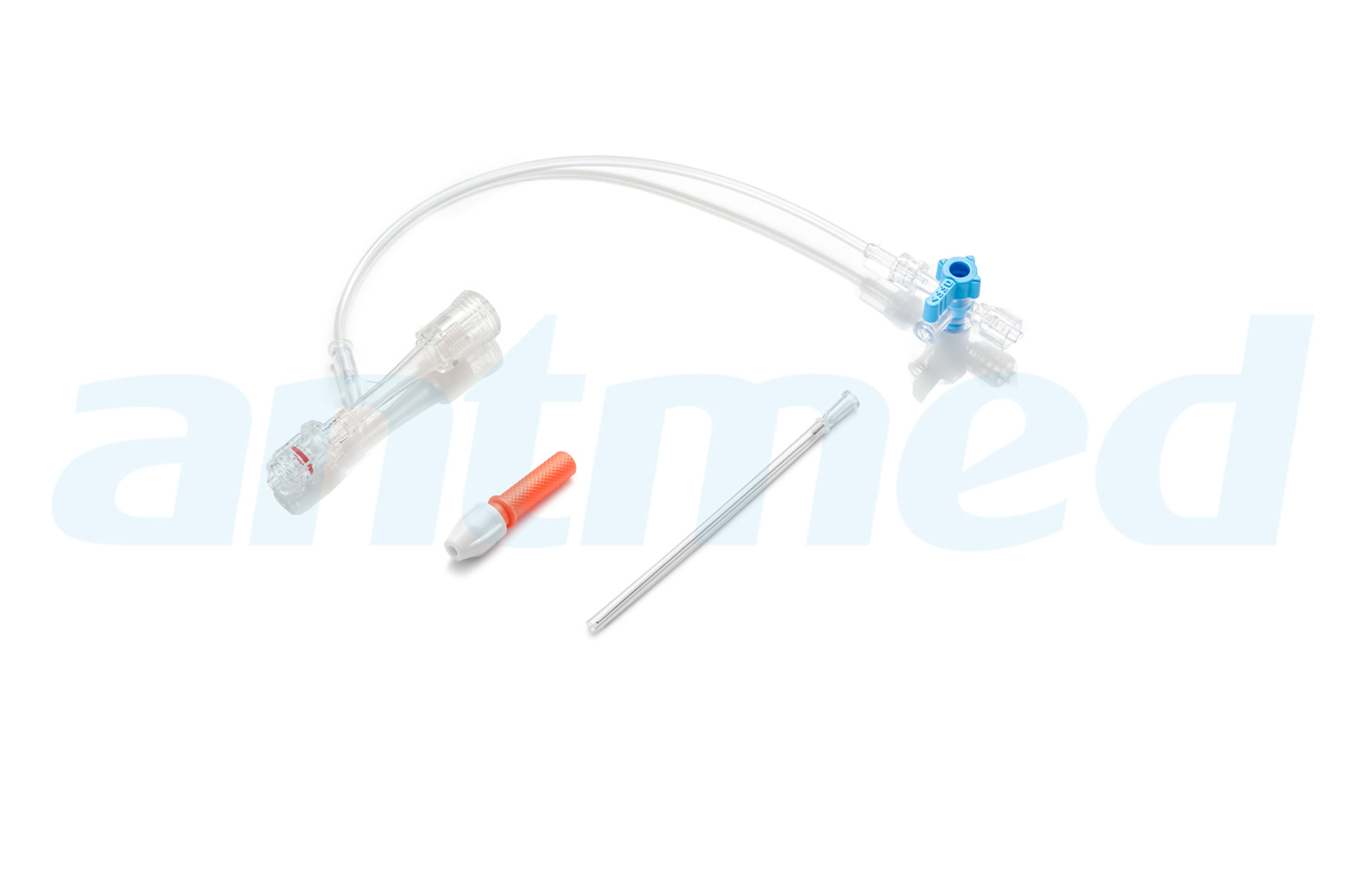
Antmed hemostasis valves are designed to provide optimal control during interventional procedures by minimizing blood loss while accessing blood vessels. These cardiovascular products come with added لوازم جانبی like torque devices, insertion needles and شیرهای سهراهه, which improve precision and ease of use.
This torque device allows the operator to دقیقly control the movement of the guidewire and reduce the risk of kinking or damage to the guidewire. The insertion needle included provides a sharp, clean entry without causing excessive trauma. In addition, some of our hemostatic devices are equipped with a شیر سهراهه with extension لوله. These 3-way extension لولهها provide additional انعطافپذیری. Medical شیرهای سهراهه, on the other hand, allow the operator to control the جریان of fluids or injected medications during the procedure and reduce the creation of air bubbles.
Antmed offers a range of cardiovascular and peripheral products to suit different clini

Our Products
Priorities in Manufacturing: Innovation, Quality and Patient Care
محصولات قلبیعروقی و محیطی
احتیاطات لازم هنگام استفاده از شیر هموستاز چیست؟
Using a hemostasis valve during various interventional procedures like angiography and catheterization will help prevent loss of blood. Meanwhile, it allows instruments like guidewires and catheters to pass through the blood vessels. There are some things to keep in mind when using a hemostatic valve:
- اندازهگذاری صحیح
The hemostasis valve must be correctly sized for the instruments being used. If the instrument is too big for the valve, it might damage its membrane hence, it cannot seal properly. However, if it's too little in this sense, it would lead to blood leakage from such a device.
- تنظیم صحیح
An adjustable knob or mechanism available on most hemostasis valves helps tighten or loosen seals surrounding an instrument. Over-tightening can damage the catheter or guidewire by applying too much فشار, while under-tightening can cause the valve to leak blood.
- پایش نشتی
You should always check for any leaks while the valve is in use. Just a little blood leak indicates that the seal may not be functioning properly. As a result, blood may leak out of the blood vessels or air may enter them, leading to complications or even death.
- ورود و خروج آهسته
Instruments must be introduced and taken away from slowly enabling the valve to adjust as well as create an entire seal around the instrument. Fast motions can take apart the closure or harm the valve membrane.
Using a hemostasis valve during various interventional procedures like angiography and catheterization will help prevent loss of blood. Meanwhile, it allows instruments like guidewires and catheters to pass through the blood vessels. There are some things to keep in mind when using a hemostatic valve:
- اندازهگذاری صحیح
The hemostasis valve must be correctly sized for the instruments being used. If the instrument is too big for the valve, it might damage its membrane hence, it cannot seal properly. However, if it's too little in this sense, it would lead to blood leakage from such a device.
- تنظیم صحیح
An adjustable knob or mechanism available on most hemostasis valves helps tighten or loosen seals surrounding an instrument. Over-tightening can damage the catheter or guidewire by applying too much فشار, while under-tightening can cause the valve to leak blood.
- پایش نشتی
You should always check for any leaks while the valve is in use. Just a little blood leak indicates that the seal may not be functioning properly. As a result, blood may leak out of the blood vessels or air may enter them, leading to complications or even death.
- ورود و خروج آهسته
Instruments must be introduced and taken away from slowly enabling the valve to adjust as well as create an entire seal around the instrument. Fast motions can take apart the closure or harm the valve membrane.